How To Start Walking For Weight Loss
It sounds simple: walk and lose weight, and in many ways it is. But there are still a few things you need to know about walking for weight loss, and I’m here to help.
This post will cover starting exercise when out of shape, how far you need to walk, maximizing calorie burn, and making your walking schedule effective. You can also download one of our many free walking plans.
Walking doesn’t need expensive gym memberships or the latest sportswear. Just comfortable shoes and clothing you can move in. If the thought of running fills you with dread, be reassured: walking for weight loss can be just as effective at helping you hit your weight-loss goals.
How Walking For Weight Loss Works
Losing body weight is all about the math. Create a calorie deficit to lose weight. This means the calories you need to burn throughout the day must exceed your calorie intake. In theory, it takes a 3,500-calorie deficit to burn a pound of body fat. Or, eat less and move more to lose weight.
If only it was that simple. Metabolic rate, thyroid function, muscle mass, age, and sex will all affect your weight loss. Some people will lose weight faster than others; that’s just life. The only given is that walking helps. It helps big time. You burn calories, increase muscle mass, boost your metabolism, and improve your mood when you walk.
How Many Calories Will You Burn In One Mile?
Just bear in mind your body is complex.
The number of calories you burn walking one mile is about 100 calories.
The exact figure for how many calories you burn depends on your gender, current body weight, pace, age, metabolic rate, and fitness level.
How Much Should I Walk To Lose Weight?
Walk 5 miles a day and eat a healthy diet with a daily deficit of 500 calories, and you will lose weight. How much weight you’ll lose is harder to pin down. Typically, young men will lose one to two pounds per week. For everyone else, especially older adults, it could be as little as half to one pound. But you will lose weight.
How much walking for weight loss depends on your starting fitness and your goals, such as your target BMI. Jumping straight into 5 miles a day is far too much for most people. Instead, start by following one of our free walking plans aimed at complete beginners.
Walking Plans For Beginners
Following a walking exercise plan is one of the best ways to get started walking for weight loss. It helps to provide daily motivation and will stop you from walking too far too soon. It’s always best to gradually build up your walking distance.
The best plan for you will depend on your current fitness level. View our complete set of free-to-download walking plans for beginners or follow one of our most popular plans. These plans have been tried and tested by thousands of followers and will help you get started walking, even if you haven’t exercised in years!
- 6-Week Walking Exercise Plan For Overweight Unfit Beginners
- 21-Day Shed The Pounds Walking Plan For Fat Loss
- 4-Week Body Transformation Walking Exercise Plan
- 9-Week Fat Buster Walking Exercise Plan
Before You Start Walking
There are a few things to think about before heading out the door.
1. Do You Need A Medical Check-Up?
Before you get started, check in with your doctor. If you haven’t exercised for a while, you’re carrying a lot of excess weight or you have any pre-existing medical issues, it’s always best to check with your doctor before starting an exercise program.
2. Preparing To Walk
Invest in walking gear such as comfortable walking shoes and clothing. Any non-restrictive clothing is fine for about town but you may need a raincoat!
3. Walking Technique
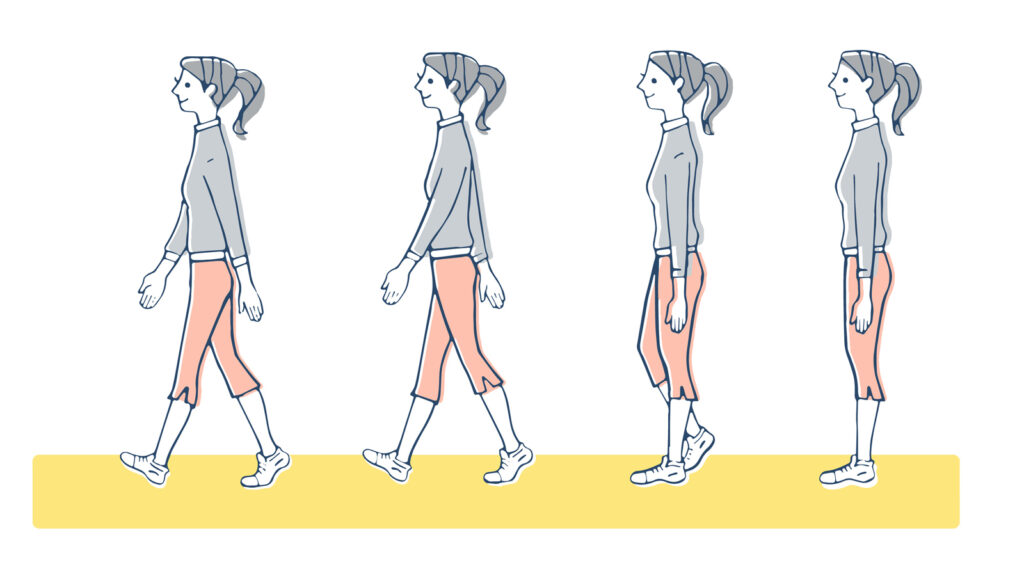
Learn to walk with good posture and walking form.
4. Walking Schedule
Plan your workouts in advance. Work out how far and where you’ll be walking. Good walking routes will help with motivation. Try and find traffic-free footpaths such as in a local park.
5. Motivation
Staying motivated is key to success. Set aside time for walking in your daily routine and reward yourself with these non-food treats for weight loss!
6. Use A Walking App
Make your daily walk more interesting and stay motivated by using an app such as MapMyWalk. You can share your activity with friends!
Start Brisk Walking
Always warm up properly at the start of a walking session. You can try dynamic stretching or walk at an easy pace for 5 minutes before you start walking briskly.
Pace yourself and avoid walking too fast. Don’t compare yourself to others. Your speed when you’re walking briskly will depend on your fitness level.
The aim is to walk at a pace where you can talk, but you’re making an effort to keep the speed up. You should feel a little out of breath, your heart rate will be elevated, and you’ll be sweating a little.
Walking fast will burn calories at a higher rate. If you find you still have lots of energy towards the end of your walking session, try power walking for the last 5 to 10 minutes.
Power Walking
Power walking is at a speed at the upper end of natural walking. A typical walking pace is 3 miles/hour on the flat. Power walking can be as high as 4 to 5.5 miles/hour.
It can look exaggerated, but with good form should simply flow from your natural walking technique. Try to swing your arms and use your glutes for a powerful forward motion.
Power walking is an effective way to burn extra calories, but remember, sticking to a walking plan and showing up daily is better than overdoing it in a single session.
Tips For Your Walking Routine
Find ways to walk more during the day from leaving the car at home to walking during your lunch break:
1. Start Your Day With A Walk
Walking in the morning sets a positive tone for the day ahead. It can also help improve your sleep quality.
2. Schedule Regular Walking Breaks
Set an alarm on your phone or computer to remind you to take regular walking breaks during the day.
3. Change Your Commute
Instead of taking the car, walk and use public transport. Walking from your home to the train station or bus stop will add to your daily total.
4. Walking In The Evening
An evening walk can be a great way to de-stress from the day and burn extra calories. Just remember to wear reflective clothing if it’s getting dark outside.
5. Take Your Dog For A Walk Or Borrow One
Very few dogs get enough exercise. Make your dog happy and healthy by going for proper walks every day. If you haven’t got a dog – borrow one!
6. Walk Around The office.
Take the stairs instead of the lift, or walk to the opposite end of the building to discuss an issue in person instead of picking up the phone. The personal touch may be appreciated and will add to your calorie burn!
7. Join A Walking Group
Find family members or friends to walk with or join a local walking group. It helps to walk with people with the same weight loss goals and fitness targets.
Walking Workouts
As you get fitter, walking will feel easier. It’s important to keep challenging your body with different levels of intensity to keep burning calories effectively. Try these workouts after a 5-10 minute warm-up of easy walking.
1. Long Walks
Go further at weekends when you have the time and seek out more challenging routes. For longer walks, walk at a steady pace. Try and walk in nature to improve your walking experience.
2. Interval Walking
This is a good way to add variation, where you alternate walking fast for one minute and then at a moderate pace for two minutes. Repeat for 30 minutes.
3. Incline walking
This can be on hills or a treadmill. Walking on an incline burns more calories and improves your fitness. Alternate 8 minutes uphill followed by 2 minutes of recovery. Repeat for 30 minutes in total. As you get fitter, find a steeper hill to walk up or increase the treadmill incline.
4. Carry A Pack Or Use A Weight Vest
Carrying extra weight makes your walking workout so much harder. As you lose weight and become lighter, weight loss from the same amount of effort slows down. One option is to replace some of the weight you’ve lost with a pack or weight vest. Those extra pounds will make you work harder, especially if you’re walking uphill!
How Effective Is Walking For Weight Loss?
Walking for weight loss is effective if you walk several times a week and eat a healthy diet. Avoid replacing the calories you burn walking by overeating, especially from eating high-fat, high-sugar treats.
For best results, aim to walk at least three to five days a week or even daily. Walking uphill or walking faster burns more calories. A good target is 1 hour of walking per day, or 8,000 to 10,000 steps.
Combining walking with strength training will increase muscle mass, build leg muscles, and make walking for weight loss more effective.
Diet is just as important as exercise – try to eat better and consume fewer calories by making small improvements to your diet.